(If you have not read the prologue, start here)
I was cooking ratatouille while pan-frying white fish in olive oil. The oil made a cheerful crackling sound. The tomatoes smelled wonderful. Then I glanced toward the glass door at the entrance and saw a dog looking in at me. This farmhouse outside Bordeaux had two dogs. Did she want to come inside? I opened the door, and in she came. When I gave her the end of a baguette, she ate it with delight, rolled over as if to say, now pet me, and wagged her tail furiously. She was a dog who knew exactly how to be loved.
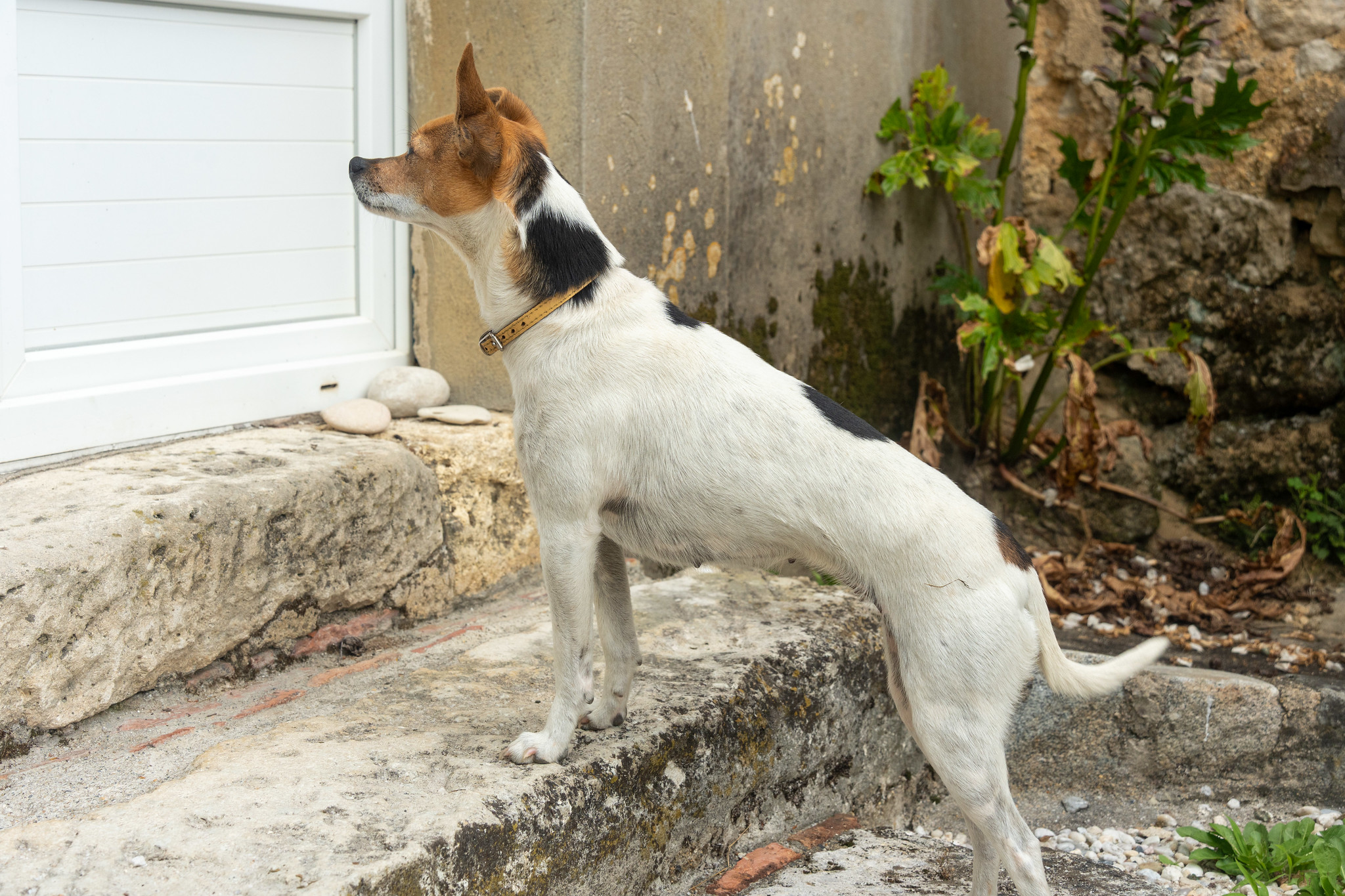
That dog made me feel a little more at ease. At least food, in this house, seemed to communicate before language did. In France, I had thought, if I wanted to connect with this land, I needed to turn its good ingredients into good food. What would be the point of coming all this way only to make Japanese home cooking seasoned with soy sauce, mirin, and cooking sake? That was why, for this journey, I had been practicing French cooking.
To go back a little: on the third day, at the house in Amboise, my first act of cooking in France also became the first meal I served to Sacha. Half a year earlier, when I had written in a company Slack channel that I was practicing cooking, he had been the one cheering me on. So this dinner was also a progress report to him. If possible, I would have preferred to shop and cook alone first, get a little used to how French kitchens and groceries worked, and then try cooking for someone else. But the schedule made that impossible. Well, here goes nothing.
He drove me to a large local supermarket. It was my first French supermarket. In France, to borrow a shopping cart you have to insert a coin into a little slot, but of course there was no way I could know that on my first try. While I fussed and puzzled over it, someone came close enough for me to ask. Bright lights, an enormous store, and wine shelves stretching as far as the eye could see in a way that felt very French. This would be my supply base for this week, so I wanted to take my time looking at what ingredients were there and what everyone else was buying. Instead, I forced myself to focus on the ingredients for tonight’s meal. I could not read the labels, and even olive oil came in countless varieties, so every choice took time.
Back at the house, I started cooking. I was using recipes I knew, but this was someone else’s kitchen, so the comedy of errors continued. No measuring cup. No measuring spoons. No long cooking chopsticks. The ordinary tools I used without even noticing, the things I assumed would simply exist, were absent. There was a strange pleasure in having my common sense smashed to pieces.
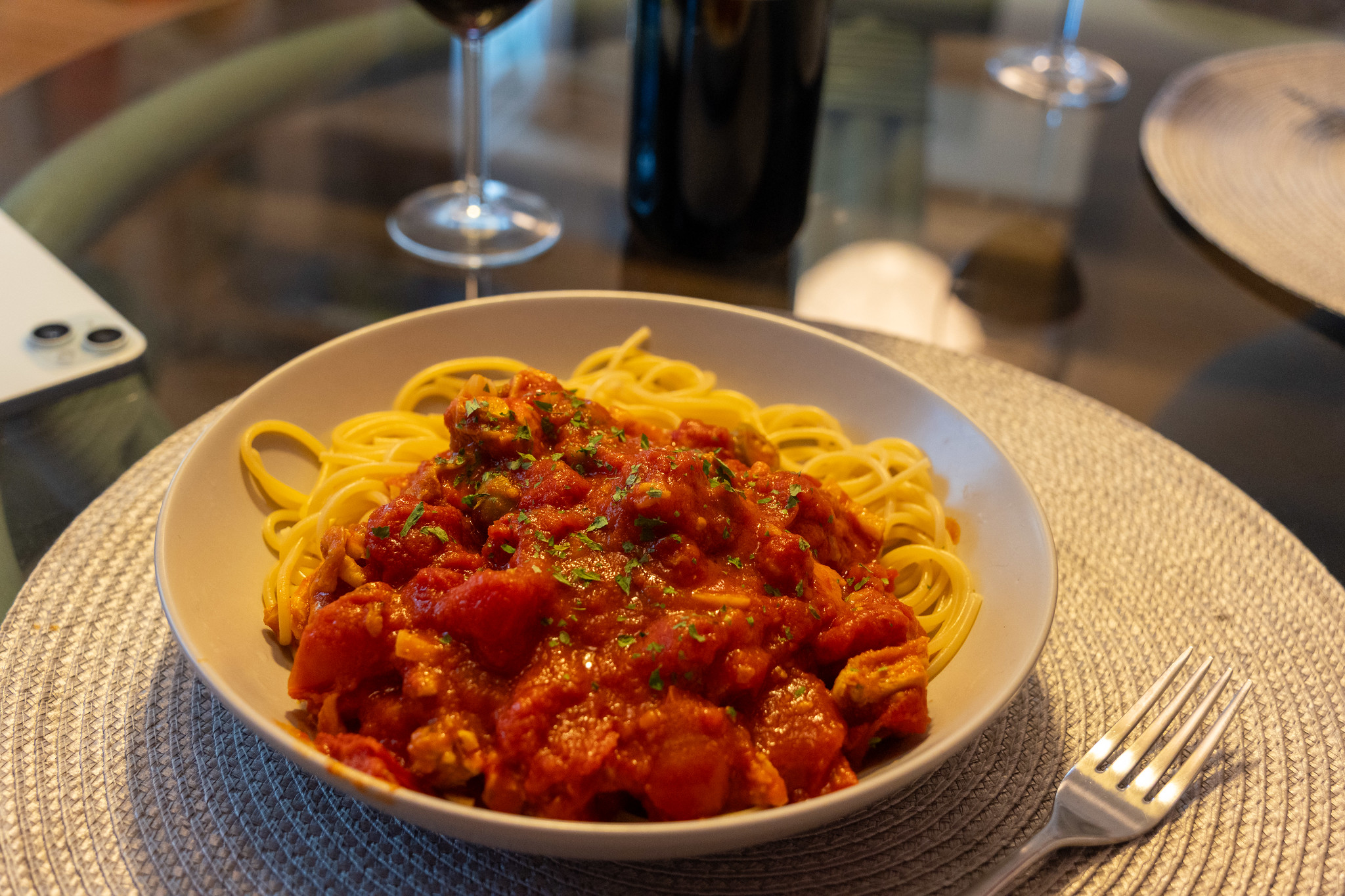
Somehow I pulled together a full meal: leeks simmered in bouillon as an appetizer, though the bouillon came out a little too strong; spaghetti with chicken and mushrooms in tomato sauce for the main; and, I think, fruit for dessert. Sacha brought a bottle of red wine from Margaux. Perhaps he was only being polite, but he said it was good and ate everything. After dinner we lingered and talked, then moved to the table in the garden and kept talking, eating, and drinking. We emptied the wine, ate sweets too, watched the sun go down, and walked back and forth together on a rope strung between trees in the garden, reluctant to let the day end.
Cooking in another person’s kitchen also meant reading how that household lived through the placement of its tools and the things it lacked. The Amboise house, though, was a guesthouse to begin with, so I never felt the breath of anyone’s actual daily life there. But in a house where someone normally lives, the scent of someone’s life has soaked quietly into the rooms.
The house in Provence was that kind of house. I had rented a one-bedroom place and imagined something small and modest, only to find a fine, substantial home. Two bedrooms were locked. They were probably the main bedroom and a room where valuables and personal things had been moved for storage. The house was full of things that made me feel someone had lived there for quite a long time.
In the cupboards stood dishes that looked as if they had been collected over years. In the bathroom was a map for marking countries and regions visited, and it recorded an impressive number of places across five continents, including Japan. The bookshelves held travel writing and all kinds of other books. They were in French, so I could not understand them, but the selection was intellectual and idiosyncratic: classic comics, even an art book for Spirited Away, and complete collections of classic literature. There was an enormous collection of classical CDs, dozens of records, and even a piano.
Because the house was large, the kitchen was magnificent too. It had a four-burner gas stove, a dishwasher, a full-size refrigerator, a heavy Le Creuset pot, a pressure cooker, and an oven. From the moment I arrived, I looked forward to cooking there.
The biggest cooking project in that house came later in the week. I went to a supermarket a little farther away with a fresh fish counter and, for the first time in France, bought a whole sea bream. They scaled and gutted it for me there. I stuffed its belly with herbs and garlic, rubbed it with salt, made a bed of vegetables inside the cast-iron Le Creuset, laid the sea bream on top with a satisfying thud, put on the lid, and slid the whole thing into the oven. It was my oven-cooking debut in France.
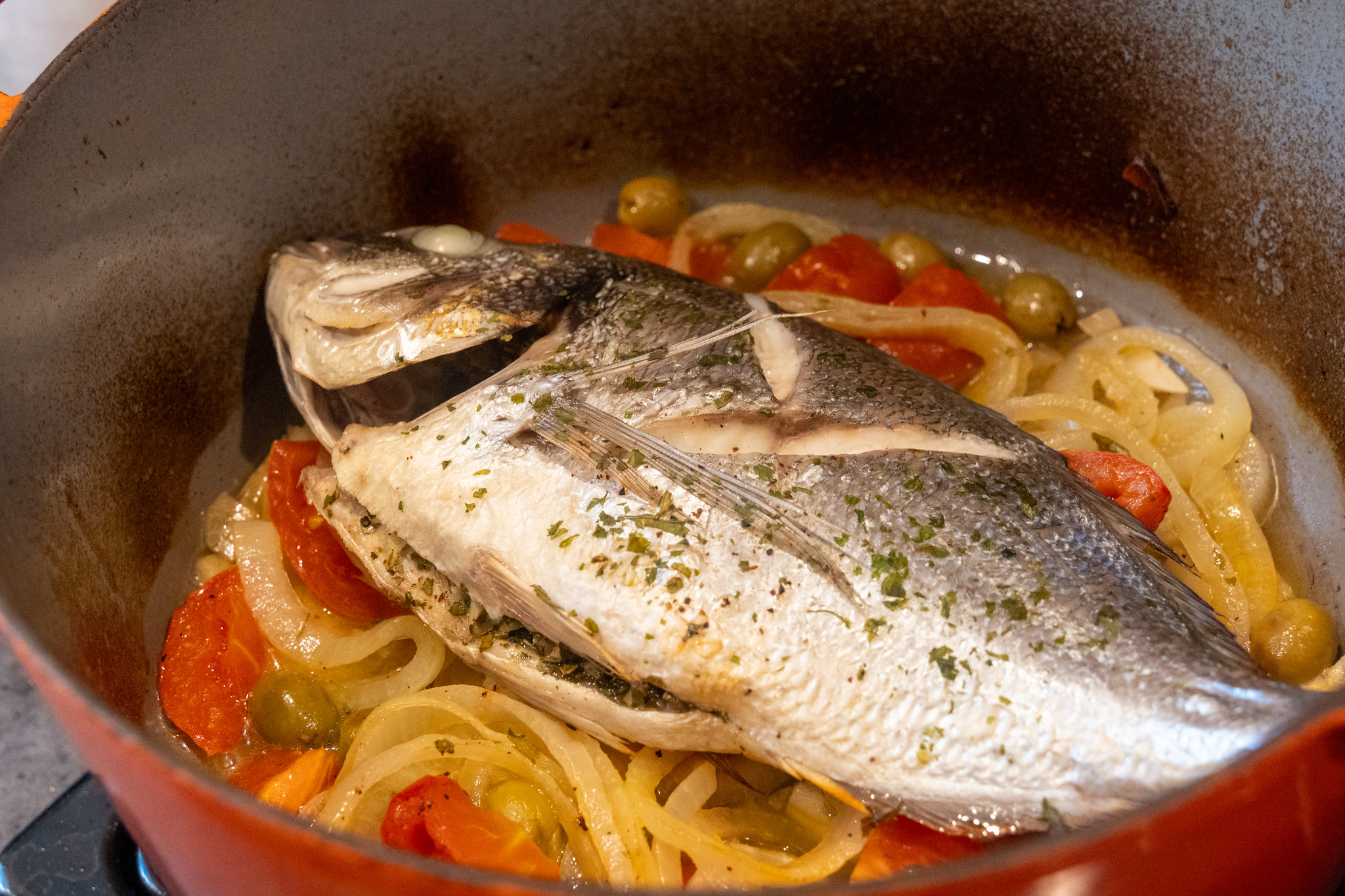
It took time, but for something that required so little work, the result was almost dreamy: tender, flaky, and soft. I did think it would have been better if I had rubbed in the salt more boldly, but I did not seem likely to have another chance with this house, this kitchen, and these tools.
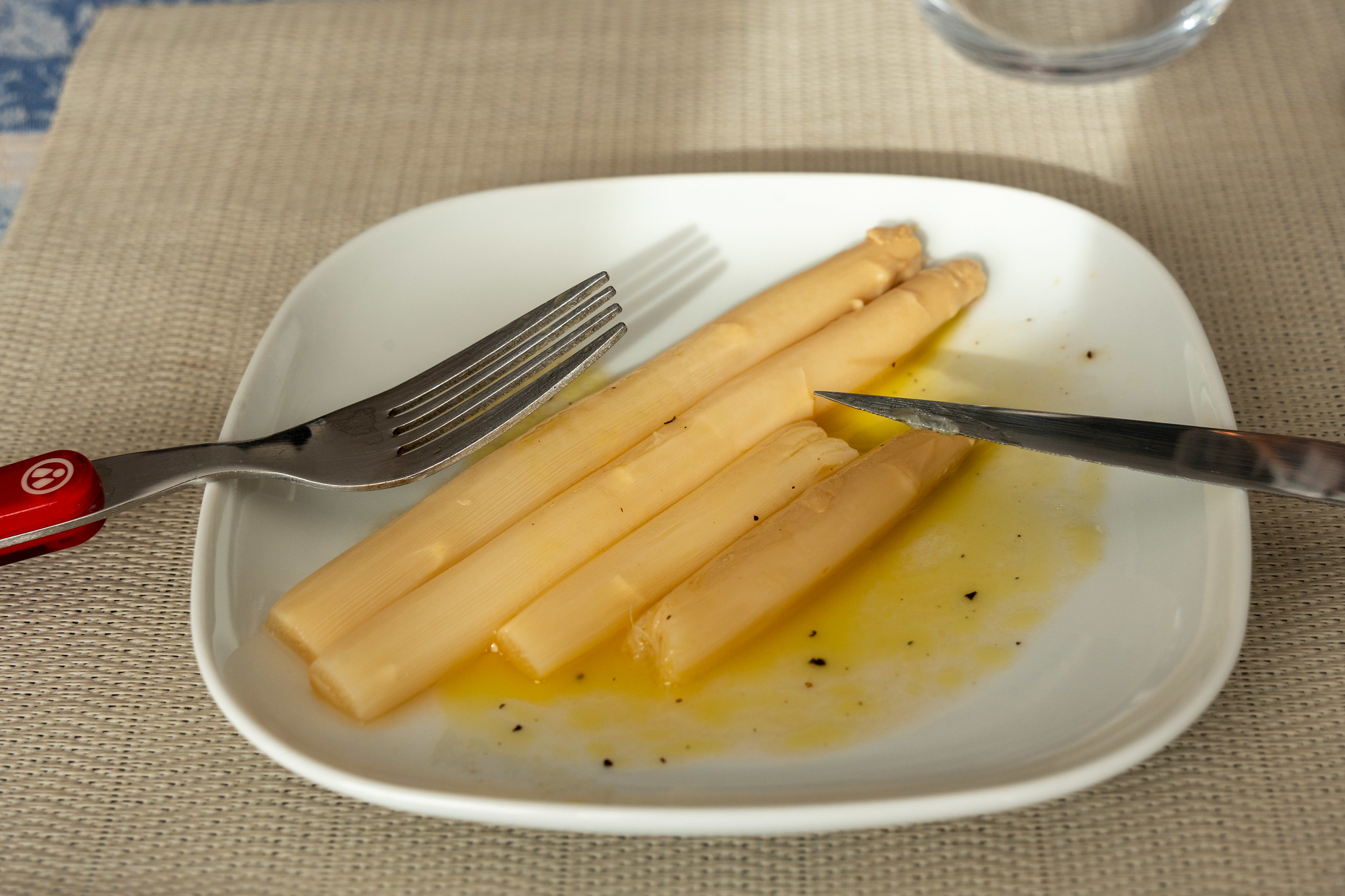
Just as I could not redo the sea bream that needed more salt, ingredients too do not always give you a second chance. This was at the house in Bordeaux. Across from the neighborhood supermarket was a gourmet food shop, and there I found enormous, muscular white asparagus. It was nothing like the thin stalks I had seen in Japan. This, I thought, was an unmistakably French ingredient, so I bought some and tried cooking it. Astonishingly, all I had to do was boil it until tender and pour vinaigrette over it. And yet, with that simple preparation, the moment I put it in my mouth, the flavor of asparagus spread out from within in a rush. It was jaw-droppingly good. But it must have been the end of the season; before or after, I never saw it anywhere except that shop.
Wine was the purest form of this unrepeatable encounter. For that first dinner, Sacha had chosen Château Brane-Cantenac, a full-bodied, weighty wine from the famous village of Margaux in Bordeaux. A week later, after I actually rode through that place on my own legs, the wine’s taste, the smell of the air, the scenery, and all the other senses fused into one unforgettable knot of memory. It was also deeply enjoyable to buy a Saint-Estèphe wine from a place I had ridden through that same day, open it at home, and let the journey return to me. When I met Sacha again in Avignon, this time he brought a red Châteauneuf-du-Pape. Before opening that bottle too, I had ridden through its land by bicycle. I knew nothing about wine and, honestly, had not been especially interested in it. But that was a great mistake in my thinking. When you make ties one bottle at a time like this, the way you relate to the world changes more than I had imagined.
Even after returning to San Jose, my wine journey has continued. Which grape varieties taste good in California? How does wine made from the same grape differ between France and California? In my cupboard, a newly bought Burgundy wine glass now sits enthroned. When something makes it ring with a clear, delicate chime, the journey through France suddenly rises again.